The Cupboard That Breathes: A Pre-Winter Reset for Linen, Towels and Spares
Photo: Federal Bureau of Investigation, Public domain, via Wikimedia Commons
There is a particular smell that creeps out of an airing cupboard in November. It is not exactly damp and not exactly dirty — more like warm dust, old cotton and the ghost of a swimming towel. One minute the cupboard is a useful warm nook for bedding; the next it is a closed box of slightly musty linens that you keep meaning to sort out.
With the heating clicking on and the windows staying shut, that little cupboard starts working overtime. It holds warmth, traps moisture and quietly becomes a microclimate. So before the winter guests arrive and before you reach for the spare duvet, it is worth giving the whole thing a proper reset — not a frantic tidy, but a calm hour or two with a bin bag, a laundry basket and a bit of honesty.
Start by taking everything out
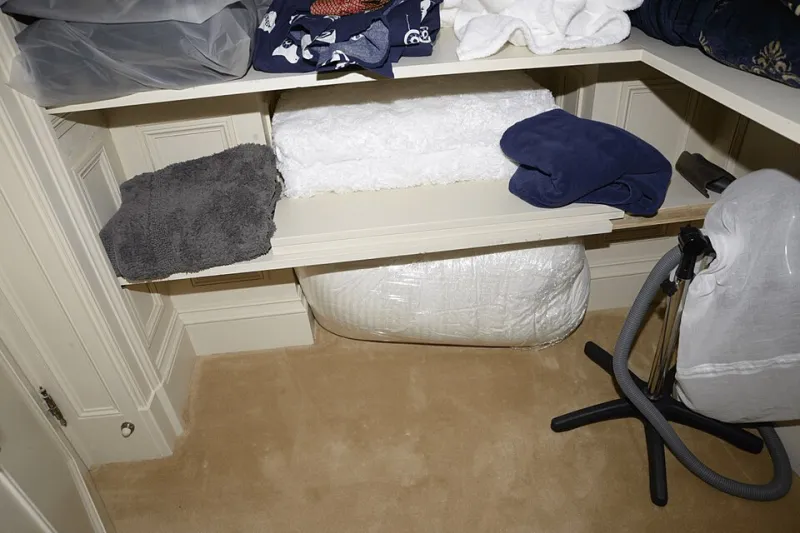
Yes, everything. The folded towels, the mismatched sheets, the half-used travel towels, the pillowcases that lost their friends and the bag of things you shoved in there in a hurry last spring. Empty shelves make it much easier to see what you are dealing with.
Once the cupboard is clear, vacuum the shelves and the floor, then wipe the surfaces with a cloth wrung out in warm soapy water. Pay attention to the corners and the back wall. If you spot dark speckles, bubbling paint or a soft patch, stop and investigate. Airing cupboards should feel dry and warm, not clammy.
If yours houses a hot water cylinder, take extra care. The warmth is useful, but the cupboard still needs ventilation. Do not pack boxes tight against the cylinder or block any vents, and never stack things on top of pipes. A cylinder cupboard that is crammed to the ceiling cannot breathe, and that is exactly how that fusty smell starts.
The sniff test and the squeeze test
Before anything goes back in, give each item the sniff test. Hold it close and be honest. If it smells slightly sour, it needs washing — even if it looks clean. Then do the squeeze test on towels and thicker items. They should feel completely dry, not cool and slightly heavy in the middle. Damp folded linen is a recipe for mustiness.
For items that have been in there for months, a quick airing on a dry day helps. Hang sheets and towels over a clothes airer near a window, or drape them over the back of a chair in a well-ventilated room for an hour. If the weather is grim — and in a British November, it often is — use the tumble dryer on a low heat or a heated airer, but make sure everything is properly dry before it goes back.
The rotation rule: everyday, guests and the 'just in case' pile
The trick to a cupboard that stays fresh is rotation. Divide everything into three rough groups.
Everyday: the towels and sheets you actually use each week. These should live at the front, easy to grab.
Guest spares: one complete set per bed, plus a couple of spare towels. These need to be clean, dry and ready to go. Store them together so you are not hunting for a pillowcase at 10pm.
The 'just in case' pile: this is the tricky one. It is the single duvet cover from a bed you no longer own, the towels that are a bit thin, the sheets that nearly fit. Be ruthless. If you have not used it in a year, it is not a spare — it is clutter. Good-condition items can go to a charity shop or a local textiles bank. Worn-out towels can go to textile recycling or be cut down for cleaning rags. The bin is also allowed.
Towels: why they go crunchy and how to bring them back
Towels are the workhorses of the airing cupboard, and they often get washed badly. Overloading the machine, using too much detergent and adding fabric softener can all leave them stiff and less absorbent. Wash bath towels at 60°C where the care label allows, and hand towels at 40°C. Use a normal amount of detergent — not a generous glug — and skip the softener. A splash of white vinegar in the rinse cycle now and then helps strip residue.
Drying is just as important. Shake towels out before hanging them so the pile fluffs up, and make sure they are bone dry before folding. If you are using a tumble dryer, do not cram it full. If you are air-drying indoors, give them space and turn them once. Folded damp towels will always smell like a wet dog, no matter how clean they were when they went in.
Sheets and duvets: the guest-ready standard
For bedding, the same rules apply: wash, dry completely, then store. A clean set of sheets should be folded loosely, not pressed into a tight brick. If you are storing duvets, use a breathable cotton bag or an old pillowcase rather than a plastic vacuum bag. Plastic traps any lingering moisture and can leave a faint plasticky smell. If you do use vacuum bags for space, make sure everything is absolutely dry first, and check them every few weeks.
Rotate your guest bedding too. If one set sits at the back for years, it will be the one that smells when you finally need it. Bring the older set forward each season and use it yourself for a week or two. That way nothing gets forgotten.
Storage that keeps things fresh
Airing cupboards like a bit of order. Line shelves with a clean, dry material — plain shelf liner or even old cotton sheets work well. Leave a small gap between stacks so air can move. Do not overfill. A cupboard packed tight is a cupboard that cannot breathe.
A moisture absorber made for cupboards can help in damper homes, but check it regularly and replace it when needed. A few drops of lavender oil on a cotton pad, or a small cedar block, can keep things smelling pleasant without being overpowering. Avoid strong perfumes if you are storing guest bedding — not everyone loves a lavender headache.
The cylinder cupboard caveat
If your airing cupboard is built around a hot water cylinder, you already have a natural drying space. Just remember that warmth plus poor ventilation equals condensation. Keep the area around the cylinder clear, do not block the vent, and never store anything that could melt, warp or be damaged by heat. Check the pipes for drips now and then. If the cupboard feels damp to the touch, leave the door open for an hour after baths and showers to let the moisture escape.
A 45-minute winter check
If a full reset feels too much, start with a quick audit. Empty one shelf at a time, sniff and squeeze everything, wash anything questionable, and put back only what you will genuinely use. Then close the door, take a breath and see how it smells. If it still smells fusty, investigate the ventilation before you blame the towels.
A tidy airing cupboard is a small thing, but it pays you back every time you reach for a warm towel on a cold morning or hand a guest a fresh set of sheets. Warm, dry and ready — that is exactly what it should be.