Dust Off the Warmth: A Radiator Reset for the First Proper Cold Snap

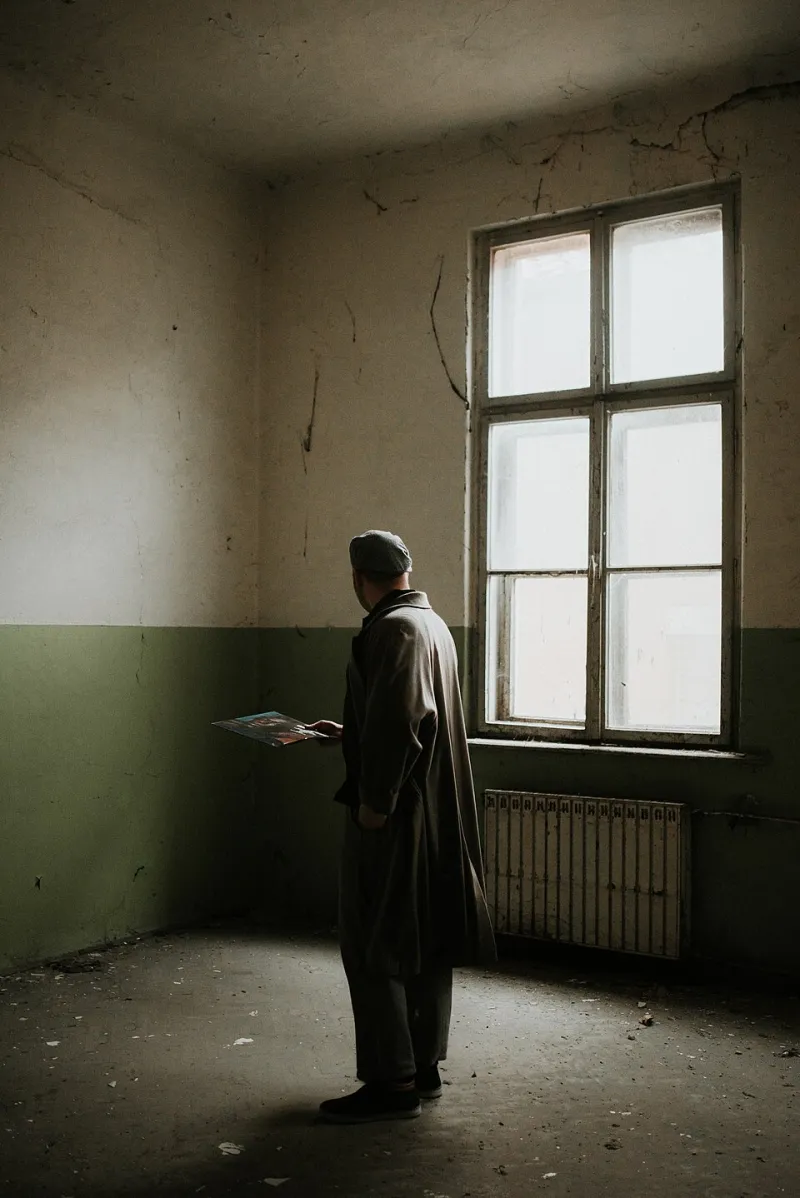
Photo: Basile Morin, CC BY-SA 4.0, via Wikimedia Commons
There is a particular moment in November when the house seems to change its mind about the season. The thermostat goes up a notch, the boiler fires, and within ten minutes the whole place smells faintly of hot dust and old carpet. It is not the most welcoming start to winter. The good news is that it is almost always a cleaning problem rather than a plumbing one, and it is one you can sort out in an afternoon with a duster, a bowl of warm water and a bit of patience.
Radiators are quietly brilliant at collecting dust. The convection current that carries warmth around a room also lifts dust from the floor and pulls it into the fins, where it settles and bakes every time the heating comes on. By the time December arrives, a radiator can be holding a surprising amount of debris in places you cannot easily see. Clearing it out makes rooms feel fresher, helps the heat circulate properly and spares you that slightly singed smell on the first cold evening of the year.
Why the smell happens — and why it is worth chasing
When dust lands on a hot surface, it does not simply sit there. The organic particles in household dust — skin cells, fibres, cooking residue, pet dander — warm up and release a smell that most of us recognise instantly. It is not dangerous in a normal home, but it is a clear signal that the radiator has been neglected.
There is a practical side to this too. A thick layer of dust on the fins acts a little like a blanket. It does not stop the radiator working, but it does make it work less efficiently, and that is the last thing you want when energy bills are already a talking point. A clean radiator heats the air more evenly, and the room warms up faster as a result.
Gather the kit before you start
You do not need a cupboard full of specialist products. A decent microfibre cloth, a soft radiator brush (the long, bendy kind sold for exactly this job), a vacuum with a brush attachment, a spray bottle of warm water with a drop of washing-up liquid, and a couple of old towels will see you through. A hairdryer on the cool setting is genuinely useful for blowing dust out of awkward gaps, provided you point it away from anything delicate.
Avoid abrasive creams, bleach-based sprays and anything that promises to strip limescale from metal. Painted radiator panels mark easily, and once the finish is dulled or chipped it is very hard to put right.
Start with the dry work
Dust first, wipe second. If you go in with a wet cloth straight away, you will simply push dust into the corners and create a muddy paste that takes twice as long to remove.
Turn the heating off and let the radiators cool completely. Then work from the top down. Run the brush between the fins, letting the dust fall onto a towel or straight into the vacuum nozzle held just below. If your radiator has a flat top, wipe along it with a dry microfibre cloth — this is where the most visible dust gathers, and it is often the first thing visitors notice without quite knowing why.
For the fins themselves, a slow pass with the vacuum brush attachment is often enough. If the dust is stubborn, a cool hairdryer aimed along the gaps will shift it, but keep the nozzle moving and hold it at an angle so you are not blowing debris onto the wall.
Then the panels, pipes and paintwork
Once the loose dust is gone, fill a bowl with warm water and a small squeeze of washing-up liquid. Wring the cloth out until it is barely damp — water dripping down the back of a radiator is a nuisance to dry and can mark the wall — and wipe the front panel in long, even strokes. Follow with a clean, damp cloth to remove any residue, then buff dry with a soft towel.
Do not forget the bits you rarely look at: the valves at each end, the pipework disappearing into the floor, the thermostat dial on the top corner, and the skirting board directly beneath. Dust loves a pipe elbow, and a quick wipe there makes the whole area look cared for.
Don't ignore the space around it
A radiator is only as clean as the air moving past it. Hoover the floor directly in front and underneath if you can reach, and give the wall behind the radiator a light going-over with a long-handled duster. If there is a shelf above the radiator, clear it and wipe it down — warm air rising will carry dust straight up onto whatever sits there.
While you are in the area, check that nothing is blocking the heat. Long curtains tucked behind a radiator, a sofa pushed too close, or a drying rack parked permanently in front will all trap warm air and undo your good work. A little breathing room makes a noticeable difference.
A room-by-room rhythm that does not take all day
You do not need to do the whole house in one go. Fifteen minutes per room is a realistic target once you have the hang of it, and breaking it up makes the job far less daunting.
Start with the rooms you use most — living room, kitchen, main bedroom — and work through them over a couple of evenings. In the bathroom, pay attention to the towel radiator, where damp fibres and dust combine into a fuzzy grey layer that needs a slightly firmer wipe. In hallways and smaller rooms, a quick brush and vacuum is often all that is required.
If you have a combi boiler and are confident doing so, bleeding the radiators is a sensible companion job, but it is a separate task from cleaning and not one to rush. If anything feels beyond a basic check, a qualified heating engineer is the right person to call.
The difference you will notice
The change is subtle but real. Rooms warm up without that faint dusty smell, the paintwork looks brighter, and the whole house feels a little more put-together. It is one of those jobs that takes an afternoon and then disappears into the background — which is exactly what good cleaning should do.
If you would rather hand the whole thing over, or you are managing a rental property or office where radiators have not had a proper look in years, our team at Oulton Cleaning is happy to help. Spotless homes, shining workplaces, locally — and warmer rooms all round.