What Your Customers See Before They Taste Anything: A Café Cleanliness Checklist
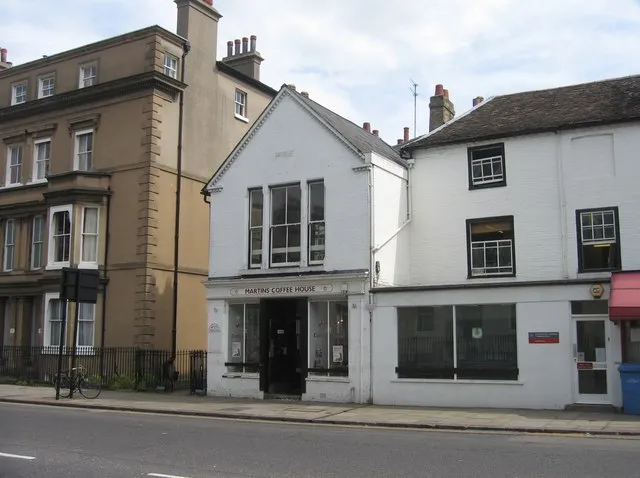
Photo: Sebastian Ballard, CC BY-SA 2.0, via Wikimedia Commons
Ask any café owner what they sell and the answer is usually coffee, cake, maybe a decent lunch. Ask their customers and the answer is often slightly different: a clean place to sit for twenty minutes. Those two things are not in conflict, but they do pull in different directions when the Saturday rush hits and the only person free to wipe a table is the person who should be on the till.
The useful question, the one that cuts through all the theory, is this: if a customer could see behind the counter, would they still order? Most independent cafés would pass on hygiene. Far fewer would pass on the visible, front-of-house details — the ones that quietly tell a customer how much care goes into everything else.
The judgement happens fast
People form an impression of a food business in a matter of seconds, and they do it using a fairly predictable set of clues: the door, the floor, the table they sit at, the toilet, the condiment station, and the bin. Nobody consciously audits these things. They simply add up to a feeling, and that feeling is why someone comes back or does not.
That is why front-of-house cleaning deserves its own plan rather than being squeezed into the gaps. It is not about scrubbing harder; it is about knowing which surfaces carry the most weight and hitting them on a rhythm that survives a busy Tuesday.
The areas customers actually judge
Start with the entrance. The door glass, the handle, and the first two metres of floor set the tone. On a wet day in a UK high street, that patch of floor will be the dirtiest square metre in the building by eleven o'clock. A mop bucket kept topped up and a two-minute sweep at the door every hour does more for the impression of cleanliness than an hour of deep cleaning after closing.
Then tables. Wipe them properly, not just around the crumbs. A cloth that has been used on four tables without being changed is spreading a thin film of everything across the surface, and customers notice sticky. Use colour-coded cloths, one per table as a rule of thumb, and keep a spray bottle of food-safe sanitiser on the trolley so nobody has to walk back to the kitchen mid-clear.
Chairs and banquettes get forgotten far more than tables. People touch the backs, lean on them, and put their bags on the seats. A quick wipe of chair backs and seat edges during the mid-afternoon lull takes minutes and shows in the photographs customers take.
The toilet test
If there is one area that decides whether a customer trusts a café, it is the loo. It is also the area most likely to be neglected during a rush, because it is out of sight of the counter.
A realistic routine means a named check every hour during trading, recorded on a simple sheet with a signature. The check covers the obvious — bowls, seats, sinks, mirrors, floor — plus the things people touch without thinking: the door handle on both sides, the lock, the light switch, the tap and the flush. Restock paper and soap at every check rather than waiting for it to run out. Empty the bin at half full, not when it is overflowing.
A small detail worth the effort: a hook on the back of the door, and a bin that is easy to use. It reduces the mess you then have to clean.
Menus, condiments and everything with fingerprints
Menus are handled by nearly every customer and cleaned by almost nobody. If yours are laminated or wipeable, they should be wiped at least daily and more often during busy periods. If they are paper, replace them when they start looking tired, because a curling, ketchup-marked menu says something about the kitchen that may not be true.
Condiment stations are the same story. Sauce bottles, salt and pepper shakers, sugar dispensers and the little spoon in the sugar bowl all collect a patina of sticky fingerprints. Wipe the bottles, not just the table around them, and check the tray for spills. If you have a self-service water station, the tap and the jug handle are high-touch surfaces that deserve a wipe every couple of hours.
The counter and display case are the shop window. Glass should be streak-free on both sides, and the shelves behind the till should be free of clutter. Customers read a cluttered back counter as a cluttered kitchen, whether or not that is fair.
Bins and the smell you stop noticing
You go nose-blind to your own café within a fortnight. Your customers do not. Bins are the usual culprit, particularly food waste in a warm room. Empty them before they are full, wipe the lids and the surrounding floor, and wash the bin itself weekly rather than simply changing the liner.
The same applies to the area around the bin. A ring of coffee grounds and crumbs on the floor is invisible to staff and glaring to a customer sitting nearby. Add the bin zone to the hourly floor sweep and the problem largely disappears.
A schedule that fits real service
During trading, keep it light and frequent. Hourly: sweep the entrance and bin area, wipe down occupied-then-vacated tables, and complete the toilet check. Every two hours: condiment station, water station, counter front and door glass. At close: full table and chair wipe, floor mop with the right product for your surface, bins emptied and washed if needed, and all cloths changed and laundered — not left damp in a bucket overnight.
Weekly, ideally on your quietest day, tackle the jobs that need the room to be empty or nearly so: skirting boards, chair legs, banquette crevices, light switches, the underside of tables, the front door frame, and the display case interior. Wash bin lids and the bin store. Wipe down any high shelving that customers can see.
Monthly, bring in the deeper work: extractor filters if they are your responsibility, the insides of cupboards customers glimpse when a door is open, the tops of door frames, ceiling vents, and the floor under fixed seating. This is also the moment to check your cleaning cupboard — diluted chemicals in unlabelled bottles are a problem waiting to happen, and a missing mop head is always discovered at the worst possible time.
Making it stick
Two things make the difference between a checklist on the wall and a clean café. The first is naming someone for each shift — a person, not a role. The second is making the kit easy to reach, so the fast job actually gets done fast.
Customers will never mention the wiped chair backs or the hourly toilet check. They will simply keep coming back, and tell a friend that the place feels looked after. That is about as good a return as cleaning ever gets.