The Dress Rehearsal Cabinet: Waking Up Heirloom Tableware for Christmas
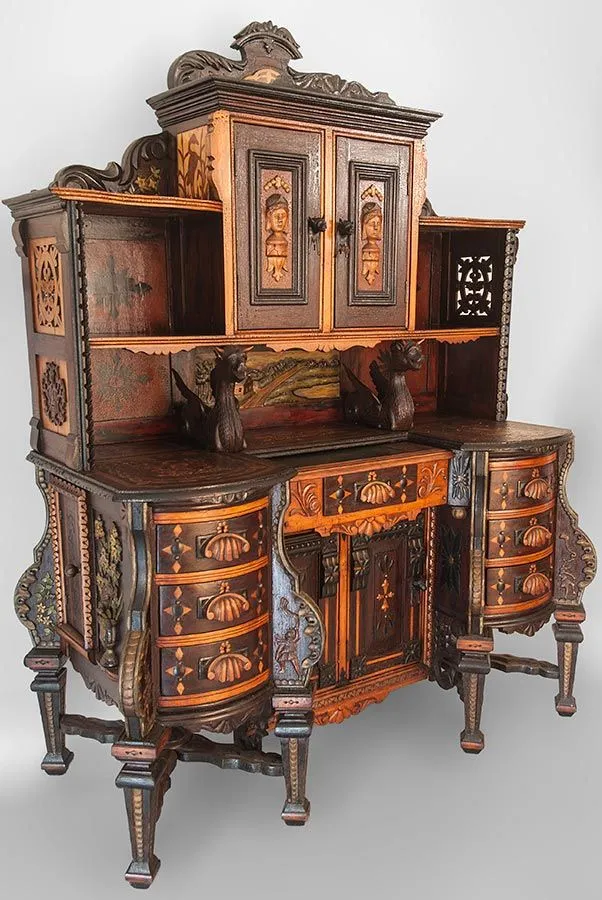
Photo: antique china dinner service crystal glasses silver cutlery dining table dusting cloth, via i.pinimg.com
Christmas 2026 may still feel a few weeks off, but the best tableware in the house has already been waiting since January. The dinner service is stacked at the back of a cupboard, the crystal is wearing a faint bloom of dust, and the inherited cutlery is doing that thing where it looks fine until you hold it up to the light. Rather than discovering all of this on Christmas Eve, treat mid-November as a dress rehearsal. It is not about turning the dining room into a museum. It is about giving heirloom pieces a gentle once-over now, while there is still time to notice a cracked plate or a missing teaspoon without an audience.
Start with the cupboard, not the sink
Empty the shelf in daylight, ideally when you are not already halfway through a big shop or promising to be somewhere else. Use a tray or a folded towel as a landing pad. As each piece comes out, give it a quick look: chips along the rim, fine crazing in the glaze, a handle that flexes more than it should, a glass with a hairline crack near the stem. Put anything doubtful to one side. This is not a judgement on Aunt Margaret’s taste; it is a safety check. Cracked china can harbour bacteria, and a weakened glass stem is a Boxing Day accident waiting to happen.
Once the shelf is empty, wipe it out properly. Cupboard smells are half the battle with stored tableware. A faint musty note, old cardboard or newspaper can cling to porous china and glass. Wash the shelf with warm soapy water, dry it thoroughly and leave the cupboard door open for an hour or two. Avoid spraying strong perfumed cleaner directly onto shelves where plates will sit. Clean is one thing; potpourri is quite another.
Dust first, wash second
A soft brush or a dry microfibre cloth is enough for loose dust. Work over a towel so you catch anything that falls, and support plates from underneath rather than by the rim. If a piece smells of the cupboard, wipe it with a cloth wrung out in warm water with a tiny drop of mild washing-up liquid, then dry it straight away. Do not dunk gold-rimmed china or hand-painted pieces into a bowl of hot water and leave them to think about what they have done. Heat, soaking and harsh detergents are not kind to delicate glazes.
Handwashing the good china without heartbreak
Fill a basin or washing-up bowl with warm, not hot, water and a small amount of mild washing-up liquid. Line the bottom with a tea towel if you are nervous, and wash one piece at a time. Use a soft sponge, not a scouring pad, and pay attention to the underside and any ridges where gravy or pudding can hide. Rinse with warm water, then dry immediately with a lint-free cloth. Do not stack wet plates; that is how rims get chipped. And if a piece has a gold rim, hand-painted detail or a metallic pattern, keep it out of the dishwasher. The dishwasher is brilliant for everyday plates, but it is not the place for the dinner service that only appears in December.
Crystal: sparkle without the wobble
Crystal glasses need the same calm approach. Hold the glass by the bowl, not the stem, and wash it in warm water with a drop of mild detergent. Hot water can stress delicate glass, and lemon-scented cleaners can leave a film. Rinse well, then dry with a clean microfibre cloth. If you can, let glasses air dry upside down on a clean towel for a few minutes before polishing. Store them upright once dry; standing them on their rims for months can put pressure on the edge. And please, no newspaper. It leaves ink marks and makes everything smell like yesterday’s chip shop.
Silver, plate and the inherited cutlery drawer
Cutlery is often the most neglected part of the festive table. Silver darkens, silver plate can wear at the high points, and stainless steel just gets smeared. Work out what you have before reaching for the polish. Solid silver can be gently polished with a soft cloth and a reputable silver polish; silver plate needs a lighter touch and should not be scrubbed. Wash pieces after polishing to remove residue, dry them completely and avoid soaking knives with bone or wooden handles. If the cutlery has been in a drawer for months, give each piece a quick wash and dry rather than simply buffing the tarnish. Clean metal looks brighter than polished grime.
Set the table before the big day
A week or so before Christmas, do a proper rehearsal. Count the covers, the serving dishes, the glasses and the cutlery you actually need. Set the table loosely, or at least lay everything out on a clean cloth, and check that the plates fit the serving dishes and that you have enough smaller glasses for sherry and soft drinks. This is also the moment to label storage boxes. A scrap of paper listing what is inside saves a lot of cupboard archaeology on Christmas morning.
Store it so it stays clean until Christmas
Clean, dry and cool is the rule. Keep tableware away from damp walls, radiators and the cooker. Line shelves with a clean cloth or shelf liner, and place felt pads or thin napkins between stacked plates. Glasses should have breathing room; cutlery can go into a cloth roll or a clean box lined with acid-free tissue. Avoid wrapping gold-rimmed china tightly in newspaper, and do not seal everything into plastic bags while it is still faintly warm. A dry cupboard with a little air is better than a cramped box in a cold loft.
If something does not survive the audition, be honest about it. A chipped plate can become a display piece or a saucer for a plant, but it should not be used for food. A crazed glaze is a retirement notice, not a challenge. That small act of quality control now saves a much bigger panic later.
At Oulton Cleaning, we are all for a spotless home, but we also know that some cleaning jobs are really about care. Give the good china a quiet hour this week, and Christmas Day will feel a little calmer, brighter and considerably less dusty.