The All-Clear Wipe-Down: Resetting a Home After a Winter Bug Has Had Its Run
Photo: Ciara Ní Riain, CC BY-SA 4.0, via Wikimedia Commons
There's a particular kind of tiredness that arrives the day after a winter bug leaves the house. The patient is upright. The toast is staying down. The kettle is back in service. And yet every surface in the place feels faintly radioactive, as though the whole house needs to be taken outside and hosed down.
It doesn't. What it needs is a focused, unglamorous couple of hours aimed at the handful of places where germs actually linger — plus a genuine willingness to leave the skirting boards alone. This is the stand-down, not the deep clean. Here's how to do it without turning your home into a hospital ward or scrubbing till midnight.
Clean first, disinfect second — in that order
The single most useful thing to know is that disinfectant doesn't work on dirt. A spray that hits a greasy worktop or a smeared door handle is largely wasted; the muck shields the germs underneath. So the routine is always the same: hot soapy water or a general-purpose cleaner first, then a disinfectant on the surfaces that matter, left to sit for the contact time on the label. That's usually somewhere between thirty seconds and five minutes, and it is the step everyone skips.
Two other things worth saying plainly. Don't mix cleaning products — bleach and anything acidic is a genuine hazard, not a shortcut. And don't bother fogging the air or spraying disinfectant around the room. Viruses don't hover politely waiting to be misted; they sit on hands, handles and cloths.
The short list of high-touch points
If you only do one thing, do this. These are the places a poorly household touches a hundred times a day without noticing:
- Door handles both sides, including the bathroom and the back door
- Light switches and the dimmer in the hall
- The kettle handle, the fridge door, the microwave buttons
- Taps, flush handles and the toilet seat
- The stair banister, the TV remote, phones and tablets
- Car keys, the bin lid and the pedal, the washing machine dial
Work with a folded cloth — turn it to a clean face for each surface — or use disposable wipes and bin them. One cloth dragged around the whole house is a delivery service, not a clean.
The bathroom: small room, big job
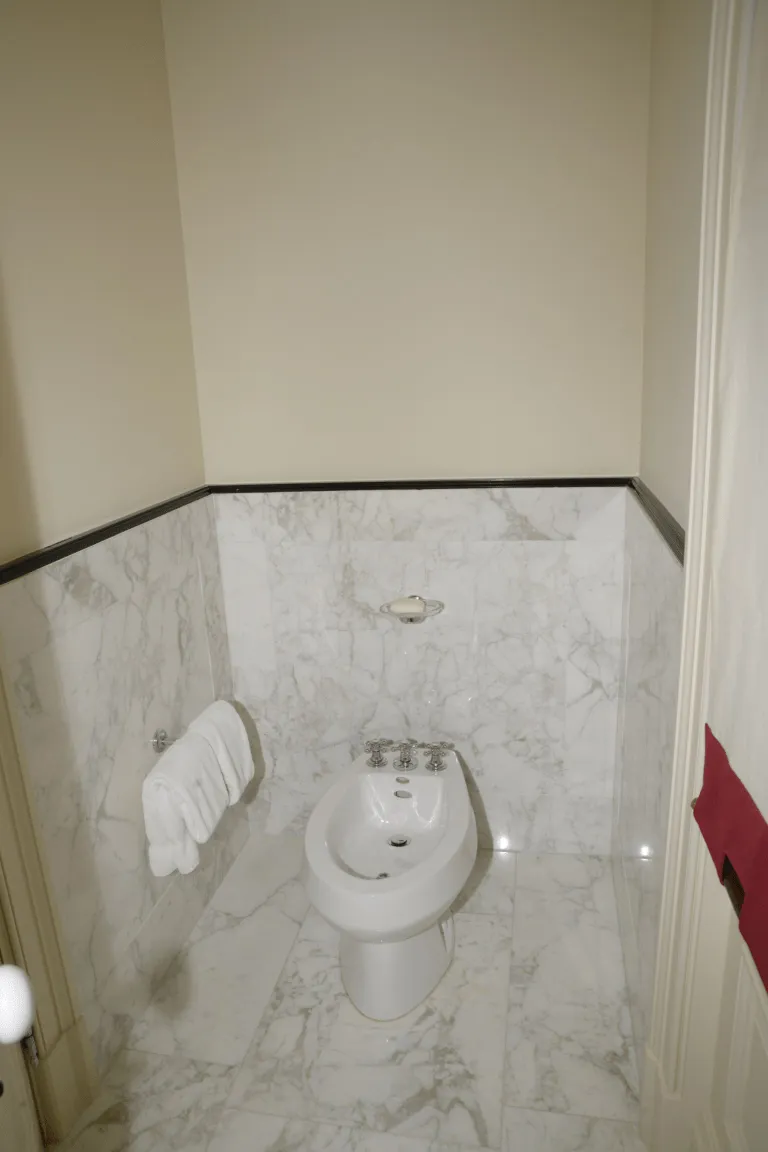
The bathroom gets done first, and with its own cloths. Flush with the lid down, then clean the bowl and the surrounding rim, the seat and the handle. Taps, the basin, the soap dish and the toothbrush mug all deserve attention. Replace toothbrushes once the household is well — this matters most after a sickness bug, and it's a two-pound fix that people forget for months.
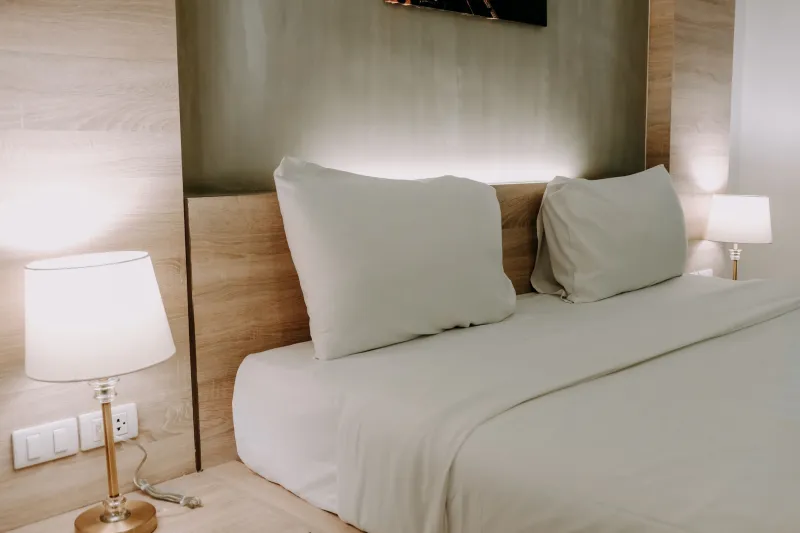
Towels and bath mats go in a hot wash. Hang the shower curtain out to dry properly rather than leaving it bunched. Open the window while you work, and leave the extractor fan running for a while afterwards. None of this takes long; the room is the size of a large cupboard.
The kitchen: the other half of the load
The kitchen is where good intentions fall over, because it's full of fiddly things. Prioritise the fridge door and its handle, the milk bottle (yes, really), cupboard handles, the kettle, the sink, the tap and the draining board. The dishcloth and the sponge are the grim stars of the show — put the sponge in the bin, and either replace the cloth or wash it on a hot cycle.
Tea towels should go through at sixty degrees, and the bin lid deserves the same treatment as the taps. If someone in the house has had a sickness bug, the fridge is worth a proper shelf-by-shelf wipe rather than a quick once-over.
Laundry: fewer loads, hotter
This is the part where people either do too little or lose an entire weekend. The realistic answer is a small number of genuinely hot loads: bedding, towels, pyjamas and anything that was in regular contact with the patient, at the warmest temperature the care label allows — sixty degrees where you can get away with it. Don't shake laundry out before it goes in; that's how you aerosolise whatever you're trying to remove. Wash your hands afterwards, and dry everything thoroughly, in the machine or over a radiator, rather than leaving it damp in a basket.
Everything else — the delicates, the random school jumper, the throw from the sofa — can go in a normal load once the house is back on its feet.
Soft furnishings and the sensible pause
Vacuum the sofa with the upholstery tool, plump the cushions, and wash any removable covers if they'll take it. Air the room properly, even if it's cold outside — ten minutes with the windows open does more than an hour of air freshener. Wipe the remote, the games controllers and the TV stand.
Here's where you're allowed to be sensible. Curtains, the mattress beyond a vacuum and a fresh protector, and the inside of the oven occupied by last Sunday's roast can all wait. They are not reservoirs of anything urgent.
While you clean, don't redecorate the house with germs
A few habits make the difference between cleaning and simply moving the problem around:
- Use separate cloths for the bathroom and the kitchen, and change the water when it looks like soup
- Work from the cleanest areas to the dirtiest, and from high to low
- Keep a bin bag for tissues and wipes and take it straight out to the wheelie bin
- Wear gloves, and wash your hands when you take them off
- Ventilate as you go — a stuffy room is a slow-drying room
The forty-eight-hour rule
For sickness bugs in particular, the patient is usually contagious for around forty-eight hours after symptoms stop. That means keeping their towel separate, giving them their own bin liner for tissues, and holding off on sharing cups and cutlery until the window has passed. It's not fussy; it's the difference between one round of illness and three.
What can honestly wait
Skirting boards. Curtains. The car. The boot room. The mattress deep clean. The cupboard under the stairs. The garden furniture that came in during October and hasn't been looked at since. All of it can wait a week, and none of it will make anyone ill again.
A realistic order of work
Start in the bathroom, move to the bedroom with a laundry basket, then the kitchen, then the living room and the high-touch points on the way through the hall. Two hours, maybe three if the sofa needs the vacuum tools out. Split it over two evenings if that's what the week allows — nobody is marking you on it.
The goal isn't a house that smells of bleach. It's a house where the things hands touch most often have been dealt with, the laundry is dry, and the windows have been open long enough to clear the air. That's the all-clear. The skirting boards will forgive you.